Cockapoo Grooming: Coat Types, Comb Checks and Haircuts
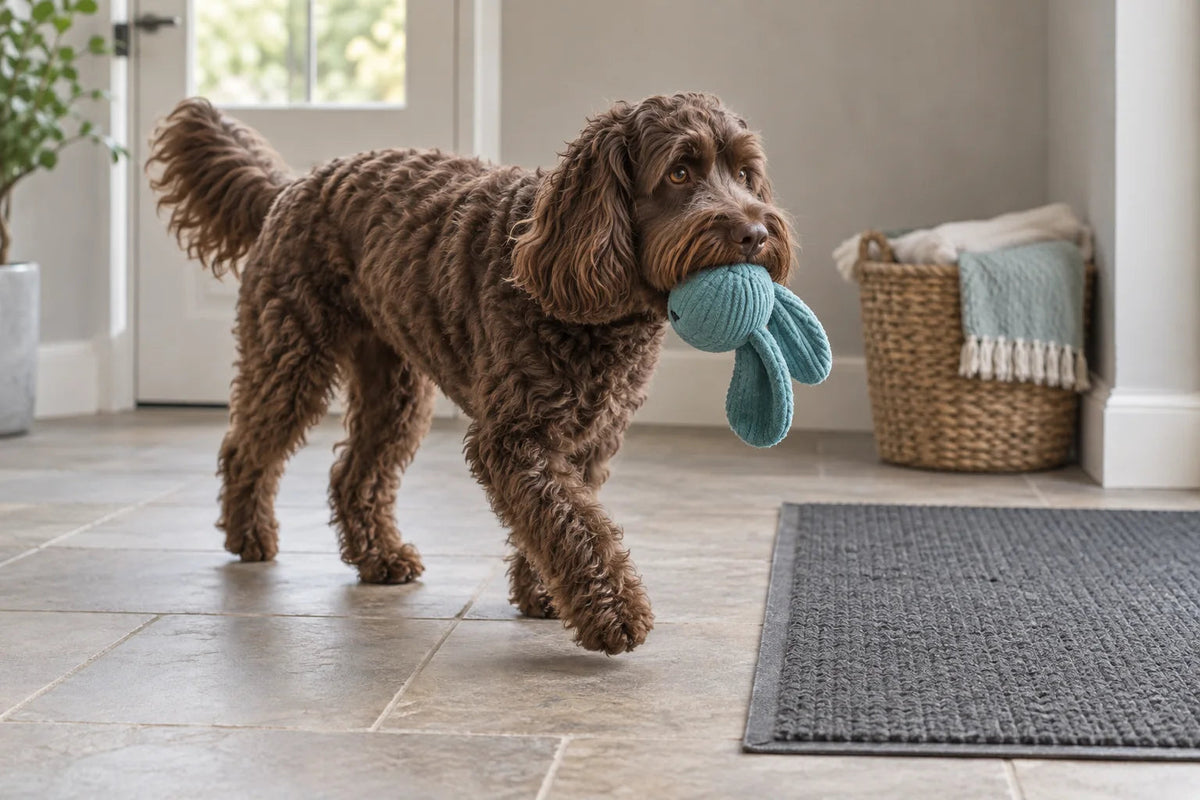
Two Cockapoos can need noticeably different grooming routines. One may have loose waves that separate readily; another may have dense curls that catch loose hair close to the skin. The name tells you the parentage, not exactly what a brush will find.
A Cockapoo is a Cocker Spaniel–Poodle crossbreed. Start by understanding your individual dog’s coat, then choose a haircut and home routine that work together. Keeping the familiar soft face does not require leaving every other part of the coat long.
“I brush every day” and “the coat is clear” are different things. A gentle comb check underneath the surface is how you find out whether the brushing is reaching the areas that matter.
Identify the coat you actually have
Woodgreen’s Cockapoo guidance describes straight, wavy and curly coats, with variation in undercoat and shedding. It also stresses substantial grooming needs and regular professional trimming. Do not assume low visible shedding means low maintenance.
Ask a groomer to show you the texture near the roots and the brush that suits it. A fine, loose section needs a different touch from a dense patch. Generation labels and photographs of a parent are less useful than assessing the hair your dog is wearing now.
Turn daily grooming into a useful check
Begin on a secure, non-slip surface. Use calm handling and work in manageable sections rather than trying to finish the entire dog after it has become restless.
- Part the hair so you can see the section beneath the outer layer.
- Brush gently with a suitable slicker or pin brush, according to coat texture.
- Support a loose tangle near its base and ease the ends apart without dragging the skin.
- Follow with a metal comb. Start with wider spacing and use finer spacing only where it travels easily.
- Check behind both ears, beneath the harness, armpits, lower legs and tail area separately.
Do not repeatedly brush harder over a patch that remains solid. Tight mats need a groomer’s assessment; scissors beneath a mat and forced combing are not safe shortcuts. If a longer style repeatedly becomes difficult before the next booking, shorten the retained length or bring appointments closer together.
The VUNRO combination comb can help check hair after gentle brushing. Despite the everyday word “detangling,” a comb should not be pulled through a close or painful mat.
Notice when the old routine stops working
A puppy coat that was simple to maintain may not stay that way. The Cockapoo club’s grooming information discusses coat variation and changes as the puppy matures. Watch for the practical signs: the same areas catch sooner, the brush seems to skip over dense hair or the comb no longer passes through after your usual session.
Respond by asking for a hands-on coat review. Do not wait until the first major haircut for your dog to meet a groomer. Early, gentle introductions to handling, equipment noise and the salon can make future maintenance less unfamiliar.
After walks and water play
Check for leaves, loose twigs and ordinary grit before they become wound into the curls. Gently remove loose debris and pay attention to damp legs, beard and underside. A quick surface towel rub can leave moisture underneath while adding friction to the hair.
Blot wet hair instead. Once clean and dry, check the friction areas again. If your dog repeatedly returns from walks with long leg hair full of debris, discuss a more practical leg length rather than increasing the amount of uncomfortable brushing.
Prepare the coat before a haircut
For an ordinary grooming bath, first check the coat and gently clear manageable tangles. Extensive matting should be assessed before wetting. Use lukewarm water, a non-slip surface and dog shampoo according to its label, working through the hair without vigorous circular scrubbing.
Rinse thoroughly, blot with towels and dry with comfortable moving airflow if tolerated. Check roots beneath the legs and behind the ears. A clipper-ready coat is fully dry and freely combable, not merely fluffy on top.
Our coat preparation guide explains the full process. If an attachment snags, stop and inspect the coat and equipment. Pressing harder does not correct poor preparation.
Give the groomer a useful haircut brief
Explain what you can maintain between visits. Ask for specific body and leg lengths, manageable ears and a face that stays clear after meals. “Teddy bear cut” is a style description, not a universal measurement. A photograph helps only when it is paired with a realistic care plan.
For owners who have learned appropriate body clipping, the VUNRO D-Series clipper can be used with its D-Series blades and suitable compatible attachments. Select the finished length with guidance; leave close mats, face detailing and sensitive areas to a professional. The right clipper cannot make an unprepared coat suitable for clipping.
Keep the small jobs in the routine
Gently clean ordinary food residue from the beard and dry the ends. Keep hair clear of the eyes through a manageable trim. Check paws, nails and any dewclaws regularly, introducing handling and nail tools gradually rather than saving everything for a stressful session.
At the next appointment, tell the groomer where tangles returned first. That feedback is how you turn an attractive haircut into a comfortable, repeatable Cockapoo grooming routine.
Keep learning
More from the Blade Blog
Whippet Grooming: Gentle Coat Care and Comfortable Nails
Read the guide →
Chihuahua Grooming: Smooth Coats, Long Coats and Tiny Paws
Read the guide →